 RESONANCE RESEARCH INSTITUTE
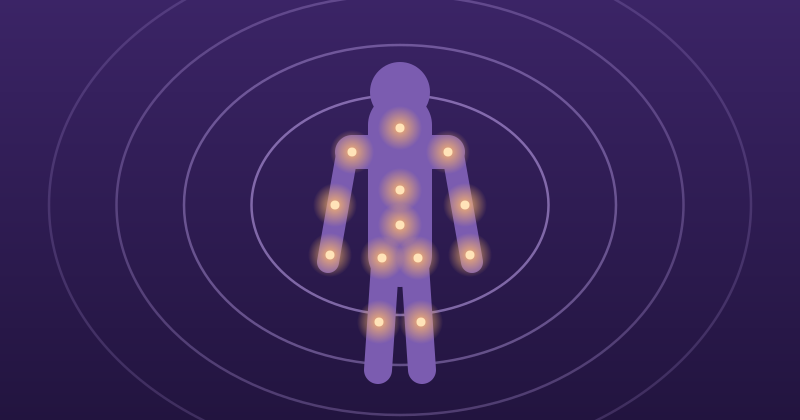
Dr. Ahonen has studied how low-frequency sound and vibration, delivered through specially designed chairs and lounges, affect the body and mind. In these treatments, a person sits or lies on equipment fitted with speakers that turn deep sound waves (usually around 27 to 113 Hz) into a gentle vibration felt through the whole body.
Short-Term Effects of Vibration Therapy on Motor Impairments in Parkinson’s Disease
King, Almeida & Ahonen, NeuroRehabilitation, 2009
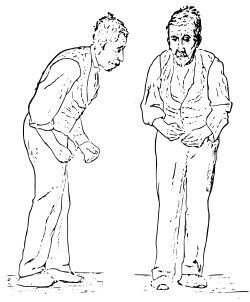
Forty people with Parkinson’s disease received a single brief session of whole-body vibration in a physioacoustic chair. Afterward, they showed significant reductions in rigidity and tremor, longer steps when walking, and faster performance on a hand-dexterity task. In some measures, the benefits lasted beyond the session itself. This was one of the first studies to measure the effects of the physioacoustic method on Parkinson’s symptoms objectively.
The Effects of Long-Term 40-Hz Physioacoustic Vibrations on Motor Impairments in Parkinson’s Disease: A Double-Blinded Randomized Controlled Trial
Mosabbir, Almeida & Ahonen, Healthcare, 2020
This trial compared real 40 Hz vibration with a convincing placebo. Participants in both groups had sessions three times a week for 12 weeks, and the doctors assessing them did not know who had received which. The treatment group showed significant improvements in overall motor symptoms, including tremor, rigidity, slowness of movement, and posture. About three-quarters of treated participants improved by a clinically meaningful amount. Walking measures did not change. Dr. Ahonen designed the 40 Hz program used in the study.





No responses yet