 RESONANCE RESEARCH INSTITUTE
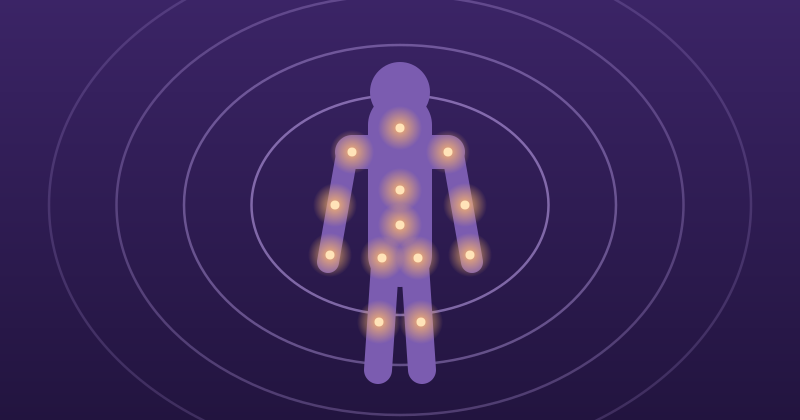
Dr. Ahonen has studied how low-frequency sound and vibration, delivered through specially designed chairs and lounges, affect the body and mind. In these treatments, a person sits or lies on equipment fitted with speakers that turn deep sound waves (usually around 27 to 113 Hz) into a gentle vibration felt through the whole body.
Fibromyalgia is a syndrome characterized by chronic widespread pain, stiffness, and tenderness in the muscles and joints without signs of inflammation. It predominantly affects women between 35 and 55 years old and causes significant pain and fatigue that interfere with daily activities. While the exact cause is unknown, fibromyalgia is diagnosed by identifying tender points on the body, and treatment focuses on managing symptoms through exercise, stress reduction, medications, and alternative therapies, as there is no cure.
The Effect of Low-Frequency Sound Stimulation on Patients with Fibromyalgia: A Clinical Study
Naghdi, Ahonen, Macario & Bartel, Pain Research and Management, 2015
Nineteen women with fibromyalgia received ten 23-minute sessions of 40 Hz sound vibration over five weeks. They reported large improvements in pain impact, sleep, and daily functioning, could sit and stand longer without pain, and had better neck mobility. Most reduced their pain medication, and about a quarter stopped it entirely. Because there was no control group, the authors call for controlled trials. They also note that symptoms returned in most participants within about two weeks after treatment ended, which suggests ongoing sessions may be needed.
Physioacoustic Therapy: Placebo Effect on Recovery from Exercise-Induced Muscle Damage
Tiidus, Markoulakis, Murray, Bryden & Ahonen-Eerikäinen, manuscript, 2007
Healthy young adults did strenuous arm exercises and then received real physioacoustic treatment, a sham treatment with the chair switched off, or no treatment. Both the real and sham groups recovered muscle strength and lost soreness faster than the untreated group, but they recovered at the same rate as each other. The authors concluded that, for this kind of muscle recovery, the benefit may come mainly from a placebo effect. The finding is an important reminder of why placebo-controlled research matters.





No responses yet