 RESONANCE RESEARCH INSTITUTE
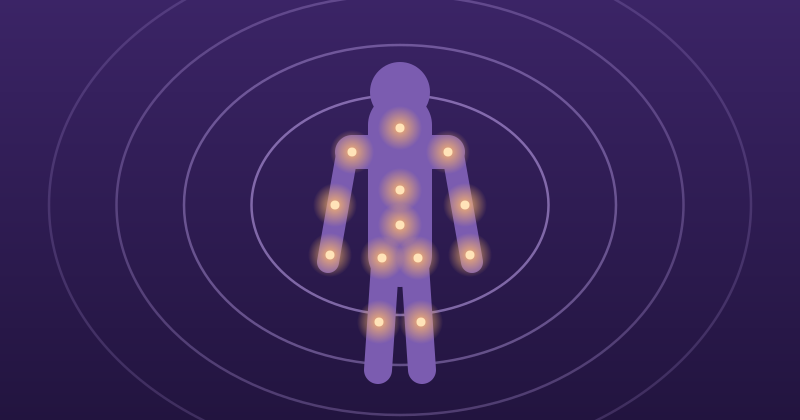
Dr. Ahonen has studied how low-frequency sound and vibration, delivered through specially designed chairs and lounges, affect the body and mind. In these treatments, a person sits or lies on equipment fitted with speakers that turn deep sound waves (usually around 27 to 113 Hz) into a gentle vibration felt through the whole body.
Short-Term Effects of Rhythmic Sensory Stimulation in Alzheimer’s Disease: An Exploratory Pilot Study
Clements-Cortes, Ahonen, Evans, Freedman & Bartel, Journal of Alzheimer’s Disease, 2016
Eighteen people with mild, moderate, or severe Alzheimer’s disease took part. Each received six sessions of 40 Hz sound vibration and six sessions of watching relaxing nature videos. After each vibration session, cognitive test scores (SLUMS) rose by about half a point, while the video sessions produced no improvement. The benefits appeared strongest in people with mild to moderate Alzheimer’s disease.
The Potential of Rhythmic Sensory Stimulation Treatments for Persons with Alzheimer’s Disease
Clements-Cortes, Ahonen, Freedman & Bartel, Music & Medicine, 2017
This companion paper looks at what researchers observed during the same study. During the 40 Hz sessions, participants often became more alert and talkative. They told stories from their past and noticed more of their surroundings. During the video sessions, most participants became bored, quiet, or sleepy. The paper includes a detailed case portrait of one participant’s experience across both treatments.
Can Rhythmic Sensory Stimulation Decrease Cognitive Decline in Alzheimer’s Disease? A Clinical Case Study
Clements-Cortes, Ahonen, Evans, Tang-Wai, Freedman & Bartel, Music & Medicine, 2017
This case study followed a woman with Alzheimer’s disease for three years. She first received 12 sessions of 40 Hz stimulation and then used a home device almost daily. Her score on a standard memory test (MMSE) was the same three years later as when she was diagnosed. That stands out because scores usually drop about three points a year. As a single case, it cannot prove the treatment caused this, but it points to a promising direction for larger studies.




No responses yet